Big 5 Personality Test: Turn Low Scores into Hidden Strengths
Have you just completed a Big 5 Personality Test and found yourself staring at a few "low" scores? It's a common experience, and it can leave you feeling a bit discouraged or uncertain. But what if your 'low' scores from a Big 5 Personality Test are actually hidden strengths? Before you label any part of your personality as a weakness, let's explore what these results truly mean. This guide will help you reframe those scores, uncover their overlooked advantages, and equip you with actionable strategies to turn every trait into a tool for success. Your unique personality is a complex blueprint, not a report card. It’s time to learn how to read it.

Understanding Your Big 5 Low Scores: Beyond Simple Labels
The first step in leveraging your personality profile is to move beyond seeing scores as "good" or "bad." The Big 5 model, also known as the OCEAN model, is a scientific framework designed to map personality, not to judge it. When you get your scientific Big 5 Personality Test results, understanding the nuance is everything.
What "Low" Really Means: A Spectrum, Not a Judgment
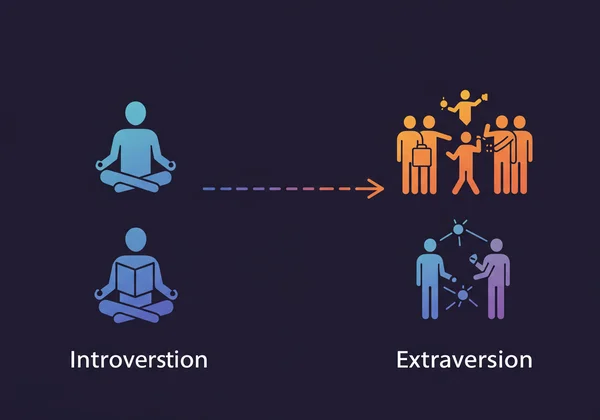
It's crucial to understand the concept of a personality trait spectrum. A low score in any of the five traits—Openness, Conscientiousness, Extraversion, Agreeableness, and Neuroticism—doesn't signify a deficiency. Instead, it simply places you on one end of a continuum. For example, a low score in Extraversion doesn't mean you're "bad" at socializing; it means you identify more with introverted characteristics. Every point on the spectrum has its own unique set of strengths and challenges. This perspective is the foundation of self-awareness and the key to personal growth.
The Context is Key: When "Low" Can Be an Advantage
The value of a personality trait is entirely dependent on the situation. A low score in Agreeableness might be challenging in a role that requires constant team harmony, but it can be a massive advantage in a position that demands impartial analysis or tough negotiations. Similarly, low Openness might not be ideal for a career in avant-garde art, but it's perfect for roles that require consistency, stability, and adherence to proven methods. Recognizing these situational personality benefits allows you to find environments where your natural inclinations aren't just accepted—they're celebrated.
Leveraging Specific "Low" Traits: Hidden Power and Purpose
Now, let’s dive into the specifics of each trait and uncover the hidden power within "low" scores. Understanding these nuances is the first step toward transforming your self-perception and harnessing your full potential. You can start this journey by taking our free Big 5 Personality Test.
Low Conscientiousness: Embracing Adaptability & Spontaneity
A low score in Conscientiousness often points to a flexible, spontaneous, and adaptable nature. While high conscientiousness is linked to discipline and organization, the benefits of low conscientiousness include the ability to thrive in chaotic environments, pivot quickly when plans change, and think outside the box without being constrained by rigid rules. You might excel at brainstorming, improvising solutions, and adapting to new information on the fly. The key is to channel this flexibility productively, perhaps by using tools to manage deadlines while still embracing your creative freedom.
Low Agreeableness: The Strength of Critical Thinking & Independence
Often misunderstood as being uncooperative, low Agreeableness is more accurately described as being independent, analytical, and objective. People with this trait are less susceptible to peer pressure and more willing to challenge the status quo, making them excellent critical thinkers, innovators, and leaders who must make difficult, impartial decisions. The advantages of low agreeableness shine in roles where skepticism and a focus on facts over feelings are paramount, such as in science, engineering, or auditing. Your strength lies in your ability to maintain your principles and pursue the truth, even when it's unpopular.
Low Extraversion: Nurturing Focus & Inner Resilience
A low score in Extraversion is simply another word for introversion. Far from being a weakness, introversion comes with a powerful set of skills. Introvert strengths include a remarkable capacity for deep focus, thoughtful reflection, and self-sufficiency. You likely draw energy from your inner world, allowing you to work independently on complex projects for extended periods. You are often an excellent listener and a careful, deliberate thinker. In a world that often celebrates noise, your quiet resilience and ability to nurture profound one-on-one connections are invaluable assets. Discover your profile to see where you land on this spectrum.

Low Openness to Experience: Valuing Stability & Practicality
While high Openness is associated with creativity and abstract thinking, low Openness signifies a grounded, practical, and data-driven mindset. Your strength is stability in personality. You value tradition, consistency, and concrete facts over abstract theories. This makes you exceptionally reliable and effective in fields that require precision, procedural accuracy, and a focus on the here-and-now. You bring a sense of stability and common sense to any team, ensuring that plans are realistic and grounded in proven methods.
High Neuroticism (Often Misunderstood as "Low" Emotional Stability): Navigating Sensitivity with Self-Care
Neuroticism is unique because a "high" score is often perceived as the "low" or challenging end of the emotional stability spectrum. It signifies a higher sensitivity to stress and negative emotions. However, this sensitivity is also a strength. It can fuel empathy, creativity, and a deep awareness of risks and potential problems that others might miss. The key is managing high neuroticism with robust self-care routines and emotional regulation techniques. Your heightened awareness can become a powerful tool for preparation and compassionate understanding once you learn to navigate it effectively.
Actionable Strategies: Transforming Personality Weaknesses into Growth Opportunities
Self-knowledge becomes truly powerful when put into action. Once you understand the hidden strengths in your personality profile, you can begin to actively leverage them for personal and professional growth.
Self-Awareness & Acceptance: The Foundation for Change
The most critical step is to accept your personality profile without judgment. Your traits are not flaws to be fixed; they are characteristics to be understood and managed. Embrace your natural tendencies and stop trying to be someone you're not. True growth comes from working with your personality, not against it. This is one of the most powerful personal growth strategies you can adopt. Start by reviewing your Big 5 results with this new perspective.
Leveraging Context: Finding Environments Where You Thrive
Actively seek out roles, hobbies, and relationships that align with your natural personality. If you have low Conscientiousness, look for dynamic, fast-paced environments rather than highly structured, bureaucratic ones. If you are an introvert (low Extraversion), find a career that allows for deep, focused work. Understanding your personality-environment fit is a game-changer for happiness and success. This proactive approach helps you place yourself in situations where you are most likely to flourish naturally.
Skill Development: Building Bridges to Balance
While you should embrace your core nature, you can also develop skills to create more balance. This isn't about changing who you are but about expanding your toolkit. An individual with low Agreeableness can practice active listening techniques to improve collaboration. A person with low Conscientiousness can use project management apps to stay on track. This strategy of developing complementary skills allows you to navigate situations that fall outside your comfort zone more effectively, making you more versatile and resilient.

Your Unique Big 5 Profile: A Blueprint for Self-Discovery and Empowerment
Your Big 5 personality test results are not a final verdict but a starting point for a fascinating journey of self-discovery. By reframing "low" scores as unique positions on a spectrum, each with its own advantages, you unlock a more compassionate and empowered understanding of yourself. Every trait, every score, is a piece of the puzzle that makes you who you are. Embrace your full profile, leverage your innate strengths, and build skills to create balance.
Ready to dive deeper into your unique personality blueprint? Visit our site to take your free Big 5 Personality Test or unlock your AI-driven enhanced report for personalized, actionable insights.
Frequently Asked Questions About Big 5 Scores & Personality Growth
Is a low Big 5 Personality Test score inherently negative or a "weakness"?
Absolutely not. A "low" score is not a judgment of value but a description of where you fall on a personality spectrum. Every trait has strengths and challenges depending on the context. For instance, low Agreeableness can be a strength in analytical roles. The key is to understand your unique profile and learn how to leverage it.
Can my Big 5 Personality Test scores change over time?
While core personality traits tend to be relatively stable throughout adulthood, they are not set in stone. Significant life events, conscious effort, and new habits can lead to gradual shifts over time. This highlights the importance of ongoing self-reflection and personal development.
How can I use my Big 5 results for personal improvement and career planning?
Your results are a powerful tool for identifying careers, hobbies, and environments where you'll naturally thrive. For example, knowing your level of Extraversion can help you choose between a public-facing role and one that requires deep, independent work. To get started, you can explore your traits on our platform and see how they align with different life paths.
What are the main differences between the five factors of the Big 5?
The five factors, often remembered by the acronym OCEAN, are:
- Openness to Experience: Imagination and insight vs. practicality and convention.
- Conscientiousness: Thoughtfulness and goal-directed behaviors vs. spontaneity and flexibility.
- Extraversion: Excitability and sociability vs. reservedness and solitude (introversion).
- Agreeableness: Trust and altruism vs. skepticism and independence.
- Neuroticism: Emotional instability and sensitivity vs. emotional stability and resilience.