Big 5 Workplace Conflict: Personality-Based Resolution Strategies
The modern workplace is a complex ecosystem where diverse personalities interact every single day. While this diversity drives innovation, it also leads to misunderstandings and disagreements that can impact productivity. Have you ever wondered why some colleagues thrive under pressure while others retreat during a heated meeting? Or why a simple suggestion can sometimes spark a defensive reaction? These patterns aren’t accidental—they’re hardwired into how we process conflict.
What if tension could reveal hidden teamwork potential? Whether you are navigating a disagreement with a direct report or managing a difficult team dynamic, understanding personality traits is the key to effective resolution. How can you turn workplace friction into a productive conversation? You can find clarity through a scientific framework known as the Five-Factor Model. Pinpoint core behavior drivers to tailor your communication. This leads to more peaceful, effective outcomes.
Using the Big 5 framework provides actionable insights that help you understand yourself and others better. This guide explores how different traits approach tension and provides concrete techniques to handle disagreements. To begin your journey of self-discovery, you can explore your Big 5 traits to see where you stand on these critical dimensions.
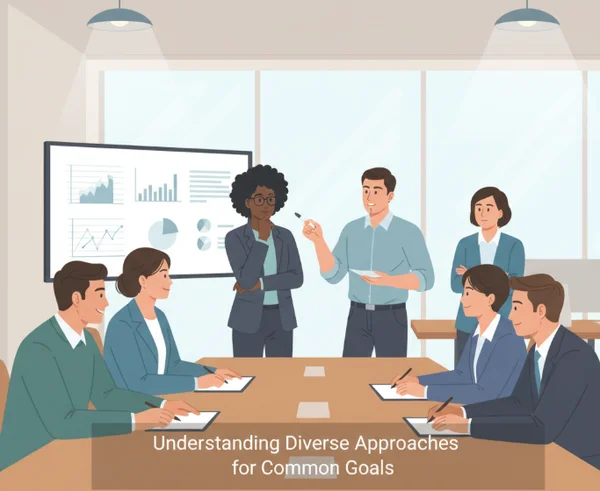
Understanding the Big 5 Conflict Landscape
Before we can resolve conflict, we must understand the landscape of human personality. Workplace disagreements often arise because two people are "speaking different languages" based on their natural predispositions. The Big 5 model offers a universal map to translate these differences and find common ground.
The OCEAN Framework: Your Personality Conflict Compass
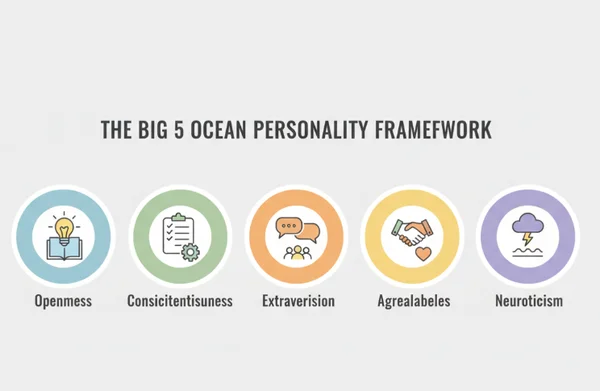
The Big 5 model, often called the OCEAN framework, is the gold standard in personality psychology. It measures five broad dimensions: Openness, Conscientiousness, Extraversion, Agreeableness, and Neuroticism. Unlike many popular quizzes, this model is backed by decades of academic research. It helps us understand why a "Conscientious" manager might clash with an "Open" creative, or why a highly "Extraverted" salesperson might overwhelm an introverted colleague.
When you use our tool, you receive a breakdown of these five scores. In a conflict, this framework acts as a compass. It tells you which "direction" a person is likely to lean when they feel threatened. For example, a person high in Agreeableness will likely seek peace at any cost. Meanwhile, someone high in Neuroticism may experience heightened stress during the same interaction.
How Each Trait Responds to Workplace Tension
Each trait has a "signature" reaction to stress. People high in Conscientiousness often view conflict as a disruption to order and efficiency. They want to fix the problem quickly using logic and rules. Conversely, those high in Extraversion might want to talk through the issue immediately and loudly. This style can feel aggressive to more reserved team members.
Understanding these responses is vital for leaders and employees alike. Instead of viewing a colleague’s reaction as "difficult," you can see it as a natural extension of their personality profile. This shift in perspective allows you to approach the situation with empathy rather than frustration. By encouraging your team to unlock your conflict profile, you create a shared vocabulary that makes resolving these tensions much easier.
Tailored Conflict Strategies for Each Big 5 Trait
Generic advice like "just communicate better" rarely works because everyone communicates differently. To truly resolve a workplace dispute, you must tailor your strategy to the specific Big 5 traits involved. Here is how to handle conflict based on the five dimensions.
Openness: Bridging Innovation and Resistance
Individuals high in Openness to Experience value new ideas and creative problem-solving. In a conflict, they may become frustrated by traditional methods. They might see a colleague’s reliance on routine as a lack of vision.
- The Strategy: When dealing with a high-Openness person, focus on the "why" and the future possibilities. Frame the resolution as an opportunity for innovation. Avoid shutting down their unconventional ideas immediately.
- For Low Openness: If your colleague prefers routine, emphasize how the resolution will maintain stability and lower risk. Clear, step-by-step changes work best here.
Conscientiousness: Balancing Rules and Relationships
Highly Conscientious people are organized, disciplined, and detail-oriented. Conflict usually arises for them when deadlines are missed or quality drops. They may come across as rigid or overly critical during a disagreement.
- The Strategy: Use data, facts, and logic. Show them that you have a plan to get things back on track. They respect competence and structure.
- For Low Conscientiousness: If you are working with someone who is more spontaneous or disorganized, avoid "lecturing" them on rules. Instead, focus on the immediate impact of their actions. Help them set small, manageable goals to resolve the friction.
Extraversion: Managing Energy and Influence in Disagreements
Extraversion relates to how people process social energy. High extraverts often process their thoughts out loud. During a conflict, they may dominate the conversation. This often leaves their introverted counterparts feeling silenced.
- The Strategy: Allow the extravert time to speak, but set boundaries to ensure everyone is heard. They need to feel that their energy is being acknowledged.
- For Introverts: Give them time to process the information. Don't force an immediate "face-to-face" confrontation if they seem overwhelmed. Allow them to respond via email or after a short break so they can see your results and thoughts clearly.
Agreeableness: Maintaining Harmony Without Sacrificing Needs
Agreeable individuals are the "peacemakers" of the office. While this is usually a strength, it can be a liability in conflict resolution. They may "give in" too early to avoid tension, leading to hidden resentment or unresolved issues.
- The Strategy: Create a safe environment where they feel comfortable being honest. Ask open-ended questions like, "How do you truly feel about this solution?" Remind them that a healthy debate is necessary for the best outcome.
- For Low Agreeableness: These individuals are often direct and competitive. Don't take their bluntness personally. Be firm, stay on topic, and focus on the professional objective rather than the personal relationship.
Neuroticism: De-escalating Emotional Reactions
In the Big 5, Neuroticism (or Emotional Stability) refers to how a person handles stress and negative emotions. Those high in this trait may feel anxious, defensive, or prone to overthinking during workplace conflict.
- The Strategy: The goal here is de-escalation. Keep your tone calm and reassuring. Avoid using "blame" language. Focus on the problem, not the person. Reiterate that the goal is to help everyone feel more secure and successful.
- Building Stability: Providing clear expectations and consistent feedback can help lower the anxiety associated with this trait.
Implementing Personality-Aware Conflict Resolution
How do you put this into practice? Implementing a personality-aware approach requires a proactive mindset. You must do more than just react when things go wrong.
The Pre-Conflict Assessment: Identifying Trait-Based Triggers
The best way to manage conflict is to prevent it. A "Pre-Conflict Assessment" involves knowing your own triggers and those of your team. For example, if you are high in Conscientiousness and your partner is high in Openness, you can predict that "lack of structure" will be a point of friction.
We recommend that teams take the free test together. Sharing results creates transparency. Knowing a colleague’s triggers lets you adjust upfront. This prevents disagreements before they ignite. This proactive step builds a culture of psychological safety where differences are respected.

Communication Techniques for Diverse Personalities
Effective communication is not about treating everyone the same. It is about treating everyone the way they need to be treated.
- Mirroring: If you are speaking with a high-extravert, match their energy level slightly to show engagement.
- Validation: For those high in Neuroticism or Agreeableness, validate their feelings before moving to the logic of the solution.
- Clarity: For high-Conscientiousness types, use bullet points and clear timelines.
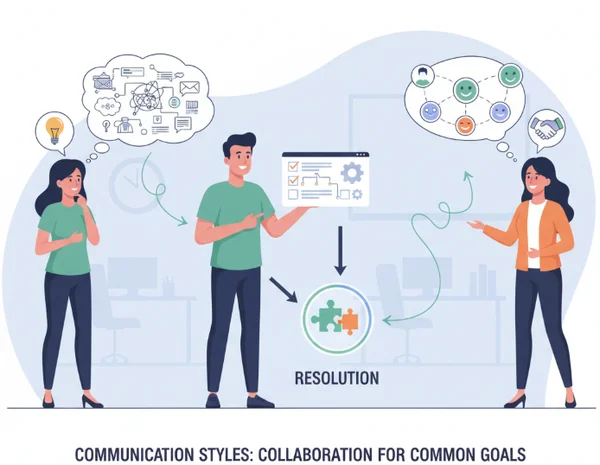
By varying your style, you reduce the "noise" in the communication channel. This ensures that the actual message—the solution to the conflict—is received without being distorted by personality clashes.
Building Conflict Resilience Across Personality Types
Long-term success isn't just about winning an argument; it's about building resilience. Teams fluent in the Big 5 framework build resilience. They reframe conflict not as personal attacks but as personality differences.
To build this resilience, continue to use the Big 5 as a reference point during quarterly reviews or team-building sessions. As people grow, their ability to "flex" their personality increases. A highly agreeable person can learn to be assertive, and a highly neurotic person can learn coping mechanisms for stress.
Want to decode how your personality influences workplace disagreements?
Understanding your Big 5 personality profile is the first step toward transforming workplace conflicts into opportunities for growth and collaboration. Disagreements are inevitable in any high-performing environment, but they don't have to be destructive. By recognizing how your natural tendencies—and those of your colleagues—influence your approach to stress, you can navigate professional relationships with greater empathy and effectiveness.
Whether you're resolving a specific conflict or building a more harmonious team, these personality-based insights provide a roadmap for success. You no longer have to guess why a conversation went wrong. Instead, you can use the OCEAN framework to decode the behavior and find a solution that works for everyone.
You can start your test today to gain deeper insights into how your personality traits influence your workplace interactions. Once you have your results, you can develop personalized strategies for handling any professional challenge with confidence.
Frequently Asked Questions About Big 5 Workplace Conflict Resolution
Can the Big 5 personality test predict how someone will react in a conflict?
While the Big 5 provides excellent insights into general tendencies, it is not a crystal ball. People's reactions are influenced by their scores, context, and current stress levels. However, identifying patterns through a scientific personality test is the most reliable way to prepare for these interactions. It tells you what their "default" setting is likely to be.
How can managers use Big 5 insights to resolve team conflicts?
Managers can use Big 5 data to act as "translators" between employees. For example, if two employees are clashing, the manager can see that one is very high in Conscientiousness (valuing rules) while the other is low (valuing flexibility). The manager can then help them see that neither is "wrong"—they simply have different priorities.
Is it possible to change your conflict style based on your Big 5 results?
Yes! Your traits represent your natural inclinations, not a life sentence. Personality "plasticity" means you can learn to adapt. A person who is naturally low in Agreeableness can learn to use more "softened" language. Similarly, a highly agreeable person can practice being more direct. Understanding your starting point is essential for this development.
What are the limitations of using personality tests for workplace conflict resolution?
Personality tests are a powerful tool, but they should be part of a broader strategy. They do not account for external factors like company culture or lack of resources. Additionally, personality can shift slightly over long periods. It is best to use the results from our homepage as a guide for communication and self-awareness, rather than a way to label or "box in" your employees.