Managing Neuroticism: Big 5 Mental Wellness Strategies
Do you often feel overwhelmed by stress, worry, or self-doubt? Emotional sensitivity can feel like a heavy burden, making daily challenges seem larger than they are. Many people experience this hidden toll, but understanding its roots can be the first step toward greater mental well-being. This is where the Big 5 personality framework offers clarity.
Understanding a core personality trait called emotional sensitivity can transform how you manage your emotions. This guide will explore what Neuroticism is within the scientifically respected Big 5 model. We'll provide evidence-based strategies to help you navigate its challenges and build emotional resilience.
Understanding your emotional patterns is the first step toward greater self-awareness. To discover your unique personality profile and gain personalized insights, you can start your test on our platform. Let's explore how you can turn emotional sensitivity into a source of strength.

What Is Neuroticism in the Big 5 Personality Framework?
Neuroticism is one of the five core personality traits in the Big 5 model, often referred to by the acronym OCEAN (Openness, Conscientiousness, Extraversion, Agreeableness, and Neuroticism). It represents an individual's tendency to experience negative emotions. These can include anxiety, sadness, irritability, and self-consciousness.
This tendency is not a flaw or a disorder; it is simply a dimension of personality that varies from person to person. Think of it as your emotional thermostat. Some people have a thermostat set to be more sensitive to stress and perceived threats, while others are naturally more calm and emotionally stable. Understanding your level of emotional reactivity provides a valuable map for navigating your inner world.
The Science Behind Neuroticism: Emotional Reactivity and Stability
Scientifically, Neuroticism relates to how your brain responds to stress. People with higher Neuroticism show greater reactivity in brain regions linked to threat and negative emotions. This means they tend to react more strongly and for longer periods when facing stressful situations.
Emotional stability is the opposite end of the Neuroticism spectrum. People with low emotional reactivity are typically more resilient. They can face setbacks without becoming overly upset or worried. They tend to be calm, even-tempered, and secure. This stability allows them to bounce back from difficult situations more quickly.
High vs. Low Neuroticism: Recognizing the Spectrum in Daily Life
Recognizing where you fall on this personality spectrum can be empowering. Here’s how it might show up in your daily life.
A person with high emotional sensitivity might:
- Worry frequently about things that might go wrong.
- Experience mood swings and feel emotionally drained.
- Be highly self-critical and sensitive to criticism from others.
- Find it difficult to relax, even in a peaceful environment.
In contrast, a person with low emotional reactivity might:
- Remain calm and composed under pressure.
- Handle unexpected problems with a level head.
- Feel secure and confident in themselves.
- Rarely feel sad or depressed.
Most people fall somewhere in the middle of this spectrum. Knowing your unique position is the first step toward managing your emotional responses. Our comprehensive personality assessment tool can give you a clear picture of your traits.
The Neuroticism-Stress-Anxiety Connection: Breaking the Cycle
There is a well-established link between high emotional sensitivity, stress, and anxiety. This trait doesn't cause anxiety disorders, but it can make a person more vulnerable to them. It acts like a magnifying glass for negative feelings, making everyday stress feel more intense and harder to manage.
Understanding this connection is crucial for breaking the cycle. When you recognize that your personality may be amplifying your stress, you can start to implement strategies that directly address this tendency. Instead of being carried away by worry, you can learn to observe it and respond more constructively.
How Neuroticism Amplifies Daily Stressors
Imagine two people facing the same minor setback, like a missed deadline at work. A person with low emotional reactivity might feel briefly annoyed but will quickly move on to find a solution.
For someone high in Neuroticism, a minor setback can trigger a cascade of negative thoughts. They might think, "I'm a failure," "My boss will be furious," or "I'm going to lose my job." This transforms a small problem into a major source of anxiety. This pattern of 'catastrophizing' is a key way Neuroticism amplifies daily stress. Over time, this constant state of high alert can be mentally and physically exhausting.
When Neuroticism Crosses into Clinical Concerns: Understanding the Boundaries
It's important to distinguish between the personality trait of Neuroticism and a clinical anxiety or mood disorder. The tendency toward negative emotions is a general one. A clinical disorder, like Generalized Anxiety Disorder (GAD) or Major Depressive Disorder, involves symptoms that are persistent, severe, and significantly impair daily functioning.
High emotional sensitivity is a risk factor, not a diagnosis. However, if your feelings of anxiety, worry, or sadness are constant, overwhelming, and interfere with your work, relationships, or health, it is vital to seek help from a qualified mental health professional. A personality test is a tool for self-awareness, not a substitute for professional medical advice.
Evidence-Based Cognitive Reframing Techniques for Emotional Reactivity
The good news is that you are not powerless against the effects of high emotional reactivity. Your brain is adaptable. By using cognitive techniques, you can learn to reframe your thoughts and regulate your emotions. These methods are backed by decades of psychological research.
Cognitive reframing involves changing the way you look at a situation, which in turn changes how you feel about it. It’s about challenging your automatic negative thoughts and replacing them with more balanced and realistic ones. It takes practice, but it's a powerful skill for improving your Big 5 mental wellness.
Thought Challenging: Identifying and Modifying Negative Thought Patterns
The first step is to become a detective of your own thoughts. When you feel a wave of anxiety or sadness, pause and ask yourself: "What am I thinking right now?"
Once you identify the negative thought (e.g., "I will definitely fail this presentation"), you can challenge it with questions:
- What is the evidence for this thought? What is the evidence against it? (I've given successful presentations before. I've prepared well.)
- Is there a more balanced way to see this? (I am nervous, but I am also capable. I will do my best, and that is enough.)
- What is the worst that could happen, and could I handle it? (Even if it doesn't go perfectly, it won't be a catastrophe. I'll learn from it.)
This process interrupts the automatic negative spiral and creates mental space for a more helpful perspective.
Mindfulness Practices for Emotional Regulation
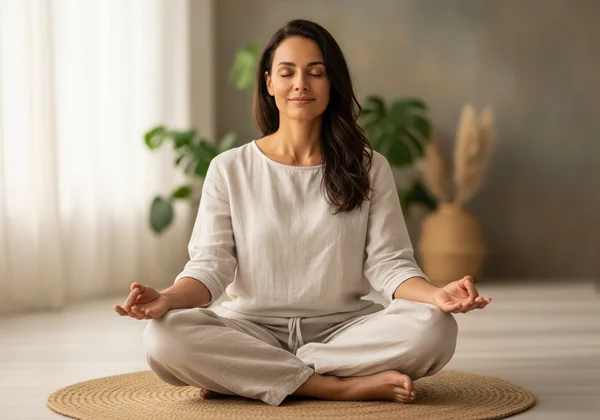
Mindfulness is the practice of paying attention to the present moment without judgment. For someone whose mind often races into the future or dwells on the past, this can be transformative.
Simple mindfulness exercises can help regulate your emotional responses:
- Mindful Breathing: Sit quietly for a few minutes and focus solely on the sensation of your breath entering and leaving your body. When your mind wanders (which it will), gently guide it back to your breath. This anchors you in the present.
- The 5-4-3-2-1 Technique: When you feel overwhelmed, name five things you can see, four things you can touch, three things you can hear, two things you can smell, and one thing you can taste. This pulls your attention away from internal worry and into your external environment.
These practices build your "mental muscle" for staying calm and centered, even when faced with stress. The first step to a personalized plan is to truly understand your personality, which you can do when you see your test results.
Building Routine and Structure: Environmental Buffers Against Emotional Volatility
Your environment and daily habits play a huge role in your emotional stability. For individuals high in emotional sensitivity, uncertainty and chaos can be major triggers for anxiety. Creating predictability and structure in your life acts as a powerful buffer against emotional volatility.
A stable daily life creates a foundation of predictability. With fewer decisions to make and fewer unexpected events to react to, your mind has less to worry about. This frees up mental energy and creates a sense of safety and control. These elements directly counteract the feelings of helplessness that a tendency toward negative emotions can foster.
The Power of Predictability: Creating a Calming Environment
A predictable routine helps soothe an anxious mind. It doesn’t have to be rigid, but having a consistent structure can make a significant difference.
Consider implementing these habits:
- Consistent Sleep Schedule: Go to bed and wake up around the same time each day, even on weekends. Poor sleep is a major amplifier of negative emotions.
- Morning Routine: Start your day with a calming activity, like stretching, journaling, or enjoying a cup of tea, before checking your phone or email.
- Organized Spaces: A cluttered physical environment can contribute to a cluttered mental state. Take a few minutes each day to tidy your workspace and living area.
These small acts of creating order can have a large and positive impact on your emotional well-being.
Physical Activity as an Emotional Stabilizer
Exercise is one of the most effective, non-pharmaceutical tools for managing emotional reactivity. Physical activity releases endorphins, which are natural mood elevators. It also helps reduce levels of the body's stress hormones, like adrenaline and cortisol.
You don’t need to run a marathon to feel the benefits. The key is consistency.
- Aim for 30 minutes of moderate activity, like a brisk walk, most days of the week.
- Find an activity you genuinely enjoy, whether it’s dancing, hiking, swimming, or cycling. This makes it a pleasure, not a chore.
- Even short bursts of movement, like a 10-minute walk during your lunch break, can help clear your head and reduce stress.
Regular exercise builds both physical and emotional resilience, making you better equipped to handle life's challenges.

Your Personalized Roadmap to Emotional Stability
Managing a tendency toward negative emotions isn’t about trying to become a different person. It's about understanding your unique emotional landscape and equipping yourself with the right tools to navigate it effectively. By acknowledging your emotional sensitivity, you can proactively build a life that supports your well-being.
We've covered several powerful strategies, from cognitive reframing and mindfulness to building routines and staying active. Here are the key strategies to keep in mind:
- Emotional sensitivity is a normal personality trait, not a weakness. Understanding it is the first step toward managing it.
- You can break the stress-anxiety cycle by challenging negative thoughts and grounding yourself in the present.
- Structure and healthy habits create an external environment of calm that fosters internal stability.
The most effective approach is one designed specifically for your unique personality. Are you ready to discover your unique profile and get actionable insights for your mental wellness journey? Take the next step toward self-discovery. Start your free test now and receive a personalized roadmap to greater emotional balance.
The Takeaway
What is the difference between normal neuroticism and clinical anxiety?
Neuroticism is a broad personality trait describing a tendency to experience negative emotions. Clinical anxiety, such as Generalized Anxiety Disorder (GAD), is a medical diagnosis where worry and fear are persistent, excessive, and significantly impair your ability to function in daily life. High emotional sensitivity can be a risk factor for anxiety disorders, but they are not the same thing.
Can neuroticism be reduced through self-help strategies?
While your core personality is relatively stable, you can absolutely learn to manage the behaviors and thought patterns associated with high emotional reactivity. Strategies like cognitive reframing, mindfulness, exercise, and building routines can significantly reduce the negative impact of this trait on your life, leading to greater emotional stability and well-being.
How long does it take to see improvements in emotional stability?
The timeline for improvement varies for everyone. Some people notice a difference within a few weeks of consistently practicing new habits, like mindfulness or thought challenging. For others, it may be a more gradual process over several months. The key is consistency and patience with yourself.
Are some people naturally predisposed to higher neuroticism?
Yes, research suggests that there is a significant genetic component to all Big 5 personality traits, including Neuroticism. Studies on twins and families indicate that genetics play a substantial role in determining your baseline level of this trait. However, life experiences and learned behaviors also shape how it is expressed.
When should someone seek professional help for neuroticism-related issues?
If your feelings of anxiety, sadness, or worry are persistent, overwhelming, and negatively affecting your relationships, work, or health, it is a good idea to speak with a therapist or counselor. A personality test can provide valuable insights, but a mental health professional can offer a diagnosis and personalized treatment plan. Taking a scientific personality test can be a great starting point for a conversation with a professional.